Anúncios
Have you ever wondered if a free welding course can start your welding career in the United States?
You can find a free online welding course. It teaches safety, metallurgy, and core processes like MIG, TIG, Stick, and flux-cored welding. These courses also cover basic blueprint reading and joint preparation.
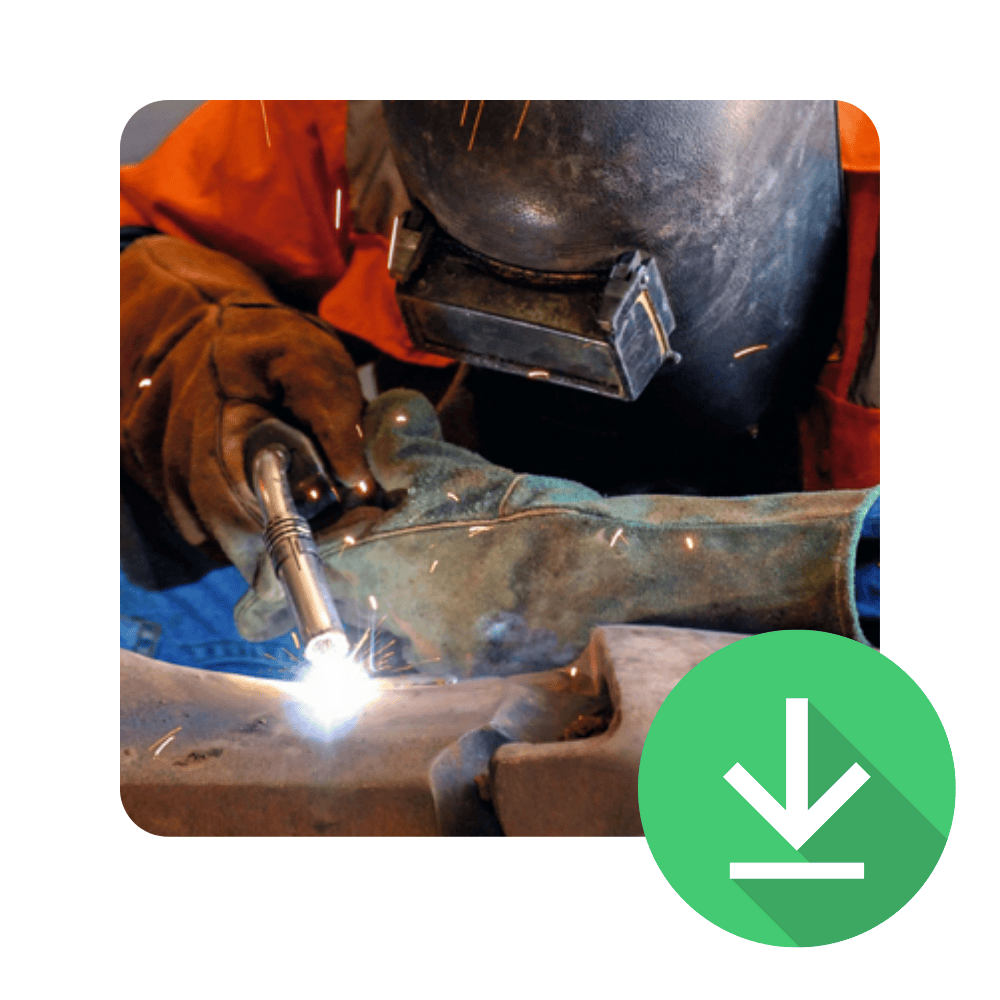
Remember, a free digital certificate is different from an accredited welding certificate. Free certificates show you know something and can make your resume better. But, accredited credentials need hands-on tests to prove you can do the job.
This guide shows you how to learn welding for free. You’ll learn from Alison, Coursera, the Welding Tips app, and edX. It also tells you how to find free courses and check if they’re accredited.
If you’re new to welding, changing careers, in high school, a veteran, or like DIY projects, these resources are great. Set goals, check if employers recognize your courses, and practice at labs or maker spaces. Keep your certificates in a portfolio to find jobs.
Alison
Alison has many short courses. They help you learn before you start in a shop. You can learn about safety, blueprint reading, and metallurgy for free.
These courses are great for learning before you start hands-on work. They also help you get ready for apprenticeships.

How to download Alison
Go to your device’s browser and visit Alison’s site. Or get the Alison app from the Apple App Store or Google Play. Make a free account with email, Google, or Facebook.
Look for “welding,” “fabrication,” “metalwork,” or “workplace safety” to find what you need. Use filters to find free courses.
When you find a course, download it for offline study. This is easy with the mobile app.
How to use Alison for welding training
Start with safety and workplace awareness courses. This helps you stay safe when you start doing things by hand. Then, learn about metallurgy and blueprint reading.
Do short practical projects to build a portfolio. This is something you can show to employers. Mix safety, blueprint reading, and welding process courses together.
Think about getting a verified or printed certificate. This makes your resume stronger. Use Alison to refresh your knowledge before practical tests.
| Use | Typical Alison Course | Benefit for Your Welding Path |
|---|---|---|
| Safety foundation | Workplace Safety and OSHA Awareness | Reduces workplace risk and shows employers you know standard practices |
| Technical basics | Metallurgy Basics | Helps you choose correct materials and settings for welding tasks |
| Blueprint skills | Blueprint Reading for Fabrication | Improves ability to follow project specs and communicate with teams |
| Process overview | Introductory Welding Processes | Gives a theoretical grasp you can test during shop practice |
| Verification | Paid Verified Certificate or Diploma | Enhances credibility beyond a free welding training course or free welding course with certificate |
Coursera
Coursera connects you to top university content. It helps you learn the science behind welding. You’ll find classes on materials, making things, safety, CAD, and robots.
These courses are great for your resume. They help when you apply for welding jobs. Or, they prepare you for welding tests.
How to download the app and get started
Go to coursera.org on your computer. Or find Coursera in the Apple App Store or Google Play. Download the app.
Make an account with your email, Google, or Apple. Then, search for things like “materials science” and “welding fundamentals.”
Choose the audit option for free access. Or pay for a verified certificate. Download lectures for offline study.
How to use courses to build welding and related skills
Match Coursera classes with your job needs. Learn about metals and testing to know your welds. Take CAD and planning courses to grow your role.
Use paid certificates with your hands-on work. This boosts your skill claims for welding jobs. Do project courses to make items like CAD drawings and safety plans.
| Use Case | Example Course Type | How it Helps Your Welding Path |
|---|---|---|
| Improve material knowledge | Materials science | Predicts weld behavior, reduces rework, supports certification exams |
| Strengthen shop planning | CAD/CAM for fabrication | Creates fabrication drawings and portfolio pieces for employers |
| Show formal training | Professional certificates | Demonstrates university-backed coursework relevant to a welder certification program |
| Access free course content | Audit mode | Study core concepts at no cost; pair with a free welding course with certificate or practical practice |
| Prepare for safety and inspection roles | Industrial safety and NDT basics | Adds credentialed knowledge that complements welding skills for career growth |
Welding Tips (app)
The Welding Tips and Tricks brand helps you learn by watching. It has short videos for MIG, TIG, and Stick welding. You also get setup checklists and tips on filler metal.
This app is great for quick practice. It’s perfect when you’re busy or need to focus on specific skills.
How to download the app and related content
How to download Welding Tips app
Look for “Welding Tips” in the Apple App Store or Google Play. If it’s not there, check the creator’s YouTube channel or website. They have mobile-friendly content.
Subscribe to newsletters and community pages. You’ll get links to guides and playlists to save for later.
Using the app for hands-on progress
How to use Welding Tips for practical skill building
Watch short videos and try what you see in a safe place. Use the right gear. Practice one thing at a time.
Keep track of what you do and how it turns out. Watch videos on fixing common problems like porosity and spatter.
Use the app with other learning to get better fast. Watch videos, then try what you learned. Get feedback from teachers or friends to improve faster.
edX
edX lets you learn from top universities. You can study materials science, metallurgy, and more. These classes help you feel more ready for welding certification.
How to download edX
Go to edx.org on your computer. Or, get the edX app from the Apple App Store or Google Play. Make a free account with your email or social media.
Use the app to download lessons for when you’re offline. This is great for studying on the job or while traveling.
Look for classes on “materials science,” “manufacturing,” and “welding safety.” You can take them for free or buy a verified certificate. This is good for employers or training programs.
How to use edX to supplement welding training
Choose edX courses on heat transfer and joining processes. This builds your welding knowledge. It also helps you solve real problems in the shop.
Combine edX certificates with photos of your welds and supervisor endorsements. This makes your portfolio stronger. It helps when you apply for welding courses or apprenticeships.
Use edX to get ready for welding interviews and certification. The coursework you learn can help you pass exams or get into welding programs.
Free welding course with certificate
Looking for free welding courses with certificates can be a challenge. Start by checking big MOOC sites, trade groups, and local job programs. Keep track of each offer to compare what they provide.
How to find eligible free courses
Look at Alison, Coursera, and edX for free welding courses. They sometimes offer certificates for a fee. You can start learning for free and then pay for a certificate later.
Watch out for webinars and short classes from the American Welding Society and community colleges. They might offer certificates for free or at a low cost. These are great for beginners.
Check out workforce programs, vocational schools, VA benefits, and local nonprofits. They might have free welding classes that lead to a certificate. These classes often meet local job needs.
Use specific search terms like “free welding classes with certificate near me.” Also, ask local job centers about free training with a certificate.
Tips for turning free certificates into career value
Make a portfolio with photos, videos, and project descriptions. Show your work to prove your skills. This makes your certificate more believable.
Get endorsements from teachers, supervisors, or experienced welders. Their support can make your certificate more valuable.
Combine free certificates with paid tests like AWS welder assessments. This shows you have both knowledge and practical skills. Employers like to see both.
Put your free certifications on your resume and LinkedIn. Mention the course, platform, date, and what you learned. For example, “Completed MIG welding fundamentals — joint prep, parameter selection, safety protocols.”
Look for apprenticeships and entry-level jobs that accept training. Be ready to show your skills in an interview. Explain how your online course helped you become a skilled welder.
| Source | What to look for | How it adds value |
|---|---|---|
| Alison, Coursera, edX | Free auditing, occasional free certificate promotions | Provides theoretical foundations and a recognized platform name for your resume |
| American Welding Society, community colleges | Webinars, short workshops, grant-funded classes with certificates | Local recognition, direct employer links, practical focus |
| Workforce development & VA programs | Subsidized or free welding training course with certificate | Often employer-aligned, may include hands-on sessions and placement help |
| Nonprofits & vocational high schools | Free welding classes with certificate and local employer partnerships | Community ties, practical experience, references from instructors |
| Employer-sponsored training | On-the-job short courses with certificate or skills validation | Direct pathway to roles, immediate demonstration of competence |
How welding certification online works
You can get a welding certificate by doing online classes and hands-on tests. The online part teaches you about metals, how to join them, safety, and choosing the right process. Then, you show you can do it right in person.
Typical online course components
Video lessons teach you the basics and more. You’ll learn about GMAW, GTAW, and SMAW. You’ll see how to control heat and make good welds.
Manuals and charts are easy to read. They help you pick the right metal and follow safety rules. You can print them for your work.
Tests check if you know the codes and how to prepare joints. They help you get ready for the final exam.
Assignments ask you to show your practice welds. Some courses let others give you feedback.
Discussion forums and live webinars are great for asking questions. You can talk about how to improve your welds and what to do next in your career.
How to complete the practical component
You need to test your skills in person. This can be at a college lab, an AWS center, or your employer’s place. A certified inspector will check your welds.
Look for a list of partner labs in your course. Or, ask local schools or welding shops to set up a test. Plan ahead so you can practice and test at the same time.
If you can’t test in person, document your practice. Record everything from setting up to finishing your welds. Ask a certified welder to review and sign your work.
Keep a log of your practice. Write down what you did, what you used, and when you tested. This helps when you apply for more certifications or jobs.
| Course Element | What to Expect | How it Supports Certification |
|---|---|---|
| Video Lectures | Process demos, metallurgy, safety | Builds theoretical base for written tests |
| Downloadable Manuals | Parameter charts, setup guides, checklists | Serves as shop reference during practice |
| Quizzes & Assessments | Multiple-choice and scenario questions | Verifies code knowledge before practical test |
| Project Submissions | Photo/video of welds with notes | Provides instructor feedback and proof of practice |
| In-Person Testing | Hands-on welds inspected to code | Final step to earn a welding certificate program credential |
| Local Partnerships | Community colleges, AWS centers, shops | Places to complete practicals and register for welder certification program exams |
| Recordkeeping | Logbooks, signed evaluations, test reports | Supports job applications and advanced certification |
Best free welding courses and where to find them
You want to learn welding without spending a lot. Look for websites that offer the best free welding courses. These courses teach you about safety, choosing the right electrodes, and how to work with different joints.
Platforms to check regularly
Alison has short modules and diplomas for beginners. Coursera and edX offer free university courses. You can get a certificate for a small fee.
YouTube and apps like Welding Tips have videos from experts. Community colleges, workforce boards, and unions offer free classes. Some companies and nonprofits have free webinars or starter sessions.
Check if the instructors are certified by the American Welding Society. Look for courses that include shop practice and how to set up equipment.
Evaluating course quality
Choose courses taught by certified welders or engineers. Look for instructors with AWS certification or college ties.
Check if the course covers safety, joint prep, and how to choose electrodes. Practical demos and clear steps to assess your skills are important.
Read what others say about the course. Look for job placements or apprenticeship offers. Make sure the certificate is recognized.
| Source | What to expect | Best fit for | Certificate type |
|---|---|---|---|
| Alison | Short modules on safety and fundamentals; some free diplomas | Beginners seeking quick theory and safety basics | Platform certificate; low-cost printable option |
| Coursera / edX | University-backed theory, welding materials, and metallurgy | Learners wanting college-level theory and career prep | Audit free; verified certificate for a fee |
| YouTube / Welding Tips app | Hands-on technique videos, troubleshooting, live demos | Practical learners who need visual shop guidance | No formal certificate; some creators link to paid courses |
| Community colleges & unions | Short in-person clinics, subsidized workshops, apprenticeships | Those seeking pathways to accredited testing and jobs | Local certificates; may lead to accredited credentials |
| Manufacturers & nonprofits | Webinars, starter classes, equipment demonstrations | Tech-focused learners and those seeking vendor-led training | Completion badges; occasional sponsored certificates |
When picking a course, look for certified instructors and a detailed curriculum. Check if the course has practical assessments. This will help you find the best free welding courses and move forward in your career.
Accredited welding training and recognized certificates
It’s important to know the difference between free course badges and real certificates. Real welding training and certificates from groups like the American Welding Society are trusted by employers. They have standards and scope that free online badges don’t have.
How to verify accreditation
First, check the issuing body’s official website. Look for the name of the credential, approved testing centers, and curriculum standards. This will help you know if the certificate is real.
Then, check if the school is accredited. Look for regional accreditation for colleges or program approvals for trade schools. If you’re unsure, contact the program directly to ask about employer or code requirements.
Use third-party directories and state workforce agency lists to find approved providers and apprenticeship sponsors. These lists show which welder certification programs are accepted for jobs.
Also, check the practical details. Look at the materials and processes covered, the scope of practice, and renewal or expiration rules. A credential that only allows certain materials or joint types may not fit all jobs.
Pathways from free courses to accredited programs
Start with a free welding course to learn the basics and show your interest. Use your coursework to apply to community college welding programs or trade schools. This can make your application stronger.
Ask admissions if your free certificates can help you get advanced placement or fewer classroom hours. Bring transcripts, portfolios, and documented practice hours to support your application.
Look for employer-sponsored apprenticeships for on-the-job training. This training leads to a formal test at an accredited center. Combine your experience with a welder certification program exam to get a recognized credential.
When you get welding certification online, make sure it leads to a practical test or approved testing center. This is the best way to go from free learning to a credential employers trust.
Top-rated welding classes and choosing the right program for you
You want training that fits your goals, budget, and schedule. First, think about what you want to do. Do you want to start in a shop, learn specialty welding, or move up to inspection and supervision?
This helps you pick the best welding classes and programs. Look for ones that focus on hands-on learning or theory.
Check if the program is accredited and if employers recognize it. Programs approved by the American Welding Society or local unions are good for jobs like welding pressure vessels and pipelines. If you need a welding certificate that employers value, choose those programs.
Next, look at the instructors and how well students do after graduating. Choose schools with AWS-certified instructors and clear placement or apprenticeship rates. This shows if the program prepares students for jobs.
Factors to consider when choosing
Match the program to your career goals. If you’re into hobbies or light fabrication, you need different training than for structural or pipeline welding. For quick job placement, look for programs that prepare you for practical exams.
Also, check the facilities and equipment. Modern welding machines and safety gear are important. You want to learn with the same tools employers use.
Consider the cost and time needed. Free online courses can save money. Use them for basics, then add local shop time or community college labs for a certificate.
Look at support services too. Help with resumes, employer connections, and job placement can help you get hired. These services make some welding classes better than others.
How to compare online vs in-person training
Online classes offer flexibility and strong theory. Sites like Coursera and edX have university-backed content. They prepare you for technical knowledge.
In-person training gives you hands-on practice and feedback. Live labs let instructors correct your technique and provide on-site testing. This is key for passing practical welding exams.
Try a mix of online and in-person training for the best results. Start with online courses for theory, then do hands-on hours in local labs. This way, you can get a certificate that employers respect.
| Priority | What to check | Why it matters |
|---|---|---|
| Career fit | Course focus: hobby, structural, pipeline | Ensures training matches job requirements and certification needs |
| Accreditation | AWS recognition, community college approval | Improves employer acceptance and licensing eligibility |
| Hands-on hours | Lab access, instructor ratios, assessment methods | Directly impacts practical skill and exam readiness |
| Cost & timeline | Free theory courses vs paid accelerated tracks | Helps plan budget and speed to employment |
| Support | Job placement, resume help, employer ties | Boosts transition from training to paid work |
Conclusion
You can start with a free welding course with a certificate. Sites like Alison, Coursera, and edX offer these. First, learn the basics online about safety and types of welding.
Then, use apps like Welding Tips to practice. This turns what you learned into real skills.
Download apps and take the best free welding courses. Keep a log of your skills and photos of your work. When ready, get welding certification online.
Look for programs that need both written and practical tests. This is part of accredited training.
Make sure your training meets employer needs. Use free certificates and hands-on training. Look for low-cost training and aim for AWS certification.
Keep practicing and track your progress. Show your work to employers. This way, you can get a job and welding certification in the US.

 English
  Portuguese
  Spanish
  German
  French
  Turkish
  Italian
  Croatian
  Bosnian
  Bulgarian
  Romanian
  Indonesian
  Czech
Czech  Hungarian